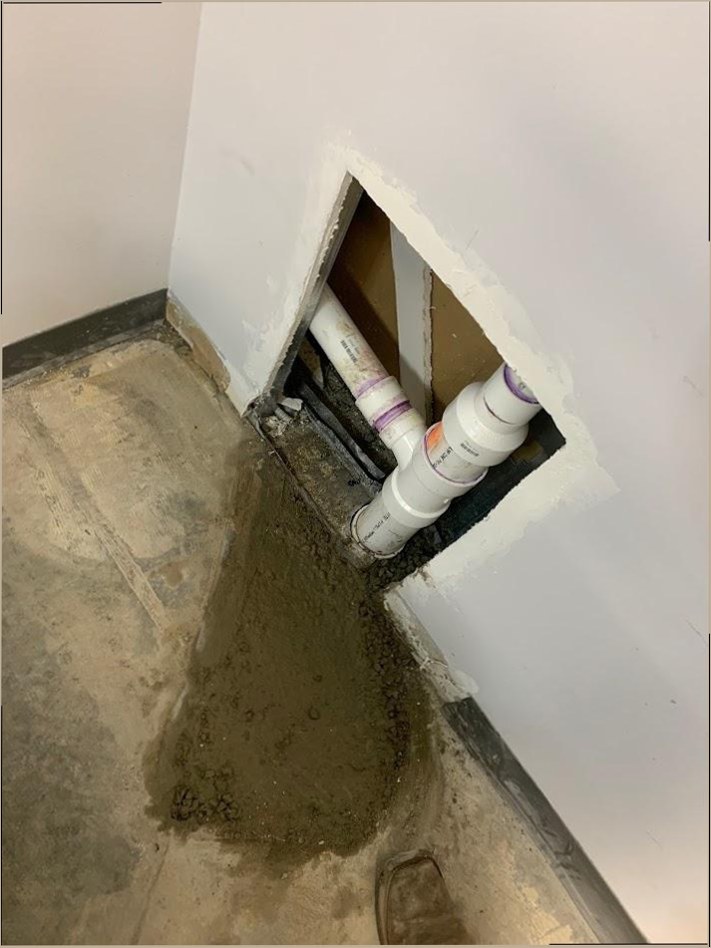
The basics of water heater replacement
Replacing a water heater is a major plumbing job that involves more than just swapping one tank for another. The cost depends on the type of unit you choose, the fuel source it uses, and the condition of the existing connections. A straightforward swap of a similar model in the same location is the least expensive scenario. Changing the type of heater or moving it to a new spot adds work and materials.
Homeowners often focus only on the price of the unit itself, but the installation labor and any necessary upgrades to venting, gas lines, or electrical wiring can make up a significant portion of the total. Knowing what goes into the job helps you understand the quote you receive. A plumber should break down the costs so you can see what you are paying for and why.
Type and size of the water heater
The biggest factor is the kind of water heater you choose. A standard tank-style electric model is generally the least expensive to buy and install because it does not require venting or a gas line. A gas tank heater costs more for the unit and needs a proper exhaust flue, which can add labor if the old venting is not suitable. Tankless water heaters are more expensive upfront but use less energy over time.
Size matters too. A larger tank costs more and takes up more space. For a tankless unit, the flow rate determines the size needed. A unit that can supply enough hot water for two showers at once will cost more than a smaller model for a single bathroom. Your plumber can calculate the right size based on the number of people in the house and typical usage patterns.
Fuel type and energy source
Electric water heaters are simpler to install because they plug into a standard circuit, but they may require a dedicated breaker if the old unit had a different setup. Gas water heaters need a gas supply line and a vent pipe to carry combustion gases outside. If your home does not already have a gas line running to the installation area, running a new line adds cost. The same goes for propane units, which require a tank and proper gas piping.
Heat pump water heaters are another option. They use electricity to move heat from the air into the water and are more efficient than standard electric models. However, they need more space and a location that stays above freezing, such as a garage or basement. The installation is more involved because of the condensate drain and the larger size of the unit. Each fuel type has its own set of requirements that affect the total cost.
Venting, piping, and code requirements
Venting is a critical part of any gas water heater installation. The old vent pipe may be made of single-wall metal that needs to be replaced with a double-wall or stainless steel liner, depending on local codes. The vent must run straight up and out through the roof or a side wall, and the clearance to combustible materials must meet the manufacturer's specifications. If the venting route is long or has turns, the cost goes up.
Water and gas piping also factor into the job. The old water lines may be corroded or too short, and replacing them with new copper or PEX adds to the labor. A gas line may need to be upsized if the new heater requires more BTUs than the old one. A pressure relief valve must be installed with a drain line that runs to the floor or outside. Local building codes may require a drip leg on the gas line and a sediment trap. Your plumber will handle these details, but they affect the final price.
What to ask for in a quote
When you get a quote for a water heater installation, ask for a written breakdown that lists the unit, labor, permits, and any extra materials. Find out whether the quote includes hauling away the old unit and disposing of it properly. Ask about the warranty on the heater and on the installation work. A good plumber will explain what is covered and for how long, without promising anything that is not in writing.
Also ask about the timeline and what the crew will do to protect your floors and walls during the job. A professional installation should include testing the new unit for leaks, checking the temperature and pressure relief valve, and showing you how to operate the system. Once the work is done, keep the paperwork for your records. If you are in the Austin area, Brayden's Plumbing can walk you through the options and give you a clear estimate.