Why early leak detection matters
A small plumbing leak that goes unnoticed can turn into a serious problem. Water seeping behind walls or under floors can rot wood, damage drywall, and attract mold. Over time, even a slow drip can add hundreds of gallons to your water bill. The earlier you catch a leak, the less damage it can do to your home and your wallet.
Most homeowners do not think about their pipes until something goes wrong. But learning to spot the early warning signs is a skill that can save you a lot of trouble. Your plumbing system is mostly hidden, so you have to rely on clues like changes in water pressure, unusual sounds, and visible moisture. Knowing what to look for lets you call for help before the problem gets worse.
Common signs of a hidden leak
One of the most obvious signs is a sudden increase in your water bill without a change in usage. If your bill jumps and you cannot explain it, you likely have a leak somewhere. Another clue is the sound of running water when all fixtures are off. Listen near walls, under sinks, and around the water heater for a faint hissing or dripping sound that should not be there.
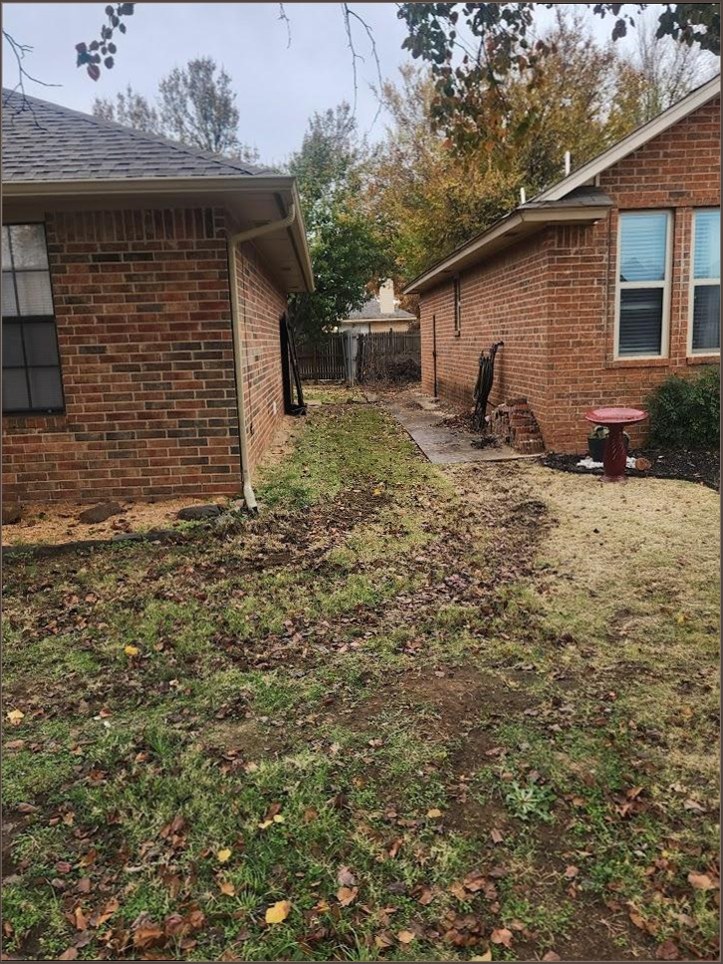
Check for damp spots on ceilings, walls, or floors. A water stain that grows over time is a clear sign of a leak above. Warped or buckled flooring, peeling paint, or wallpaper that starts to bubble can also point to moisture behind the surface. Outside, look for patches of grass that are greener or softer than the rest of the lawn, which can mean a leak in the underground supply line.
How to test for leaks yourself
The simplest test is to check your water meter. Turn off all water inside and outside the house, then look at the meter. If the dial is still moving, water is flowing somewhere it should not be. Write down the reading and check it again after an hour without using any water. If the number changed, you have a leak that needs attention.
For toilet leaks, put a few drops of food coloring in the tank and wait fifteen minutes without flushing. If color shows up in the bowl, the flapper valve is leaking. For faucets, check the area around the base and under the sink for moisture. A wet cabinet floor or a musty smell often means a slow drip from a supply line or drain fitting. These tests cost nothing and can confirm a problem before you call a plumber.
Materials and methods for repair
The repair method depends on where the leak is and what kind of pipe you have. Copper pipes are usually joined with soldered fittings, and a pinhole leak can be patched with a pipe repair clamp or a section of new pipe. PEX tubing uses crimp rings or push-fit connectors, and a damaged section can be cut out and replaced with a coupling. Galvanized steel pipes often corrode from the inside, so a leak usually means the whole section needs to be replaced.
For drain lines, the fix depends on the material. PVC and ABS drains can be cut and glued with solvent cement. Cast iron drains may need a rubber coupling with stainless steel clamps. A leak at a threaded joint can sometimes be stopped by tightening the fitting or wrapping the threads with Teflon tape and pipe dope. In all cases, the right tools and materials matter. A temporary patch is not a permanent fix, and a proper repair should hold for years.
What to do when you find a leak
If you spot a leak, the first step is to shut off the water supply to that fixture or to the whole house if needed. Every homeowner should know where the main shutoff valve is and how to operate it. Then dry the area and contain any water with towels or a bucket to prevent further damage. Do not try to patch a leak with tape or putty as a long-term solution, those fixes fail and can make the repair harder later.
Call a plumber to inspect the leak and give you a clear explanation of what is wrong and how it will be fixed. A good plumber will show you the damaged area, explain the material options, and tell you what the work involves. After the repair, check the area for a few days to make sure everything is dry and no new leaks appear. If you are in the Austin area, Brayden's Plumbing can help you with leak detection and repair.